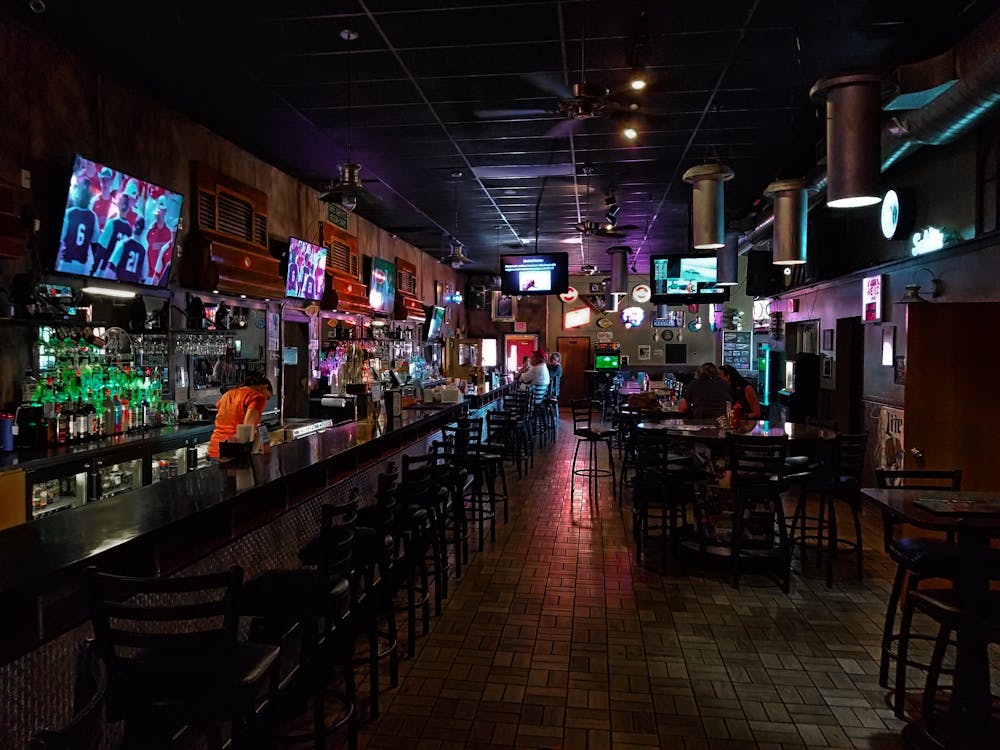
One of the craziest things happened during the week after the election. My local bar was empty during a Vanderbilt home game.
On face value, that may not seem so strange. After all, Vandy is known as the redheaded—shall we say, blackhaired—stepchild of the Southeastern Conference. But this year is different because the Commodores are actually good. Nashvillians—native and transplant alike—have rooted in force for the ‘Dores after that glorious victory over the hated Alabama Crimson Tide that prompted the Vandy student section to baptize one of their goalposts in the Cumberland River.
Nevertheless, as the Commodores took on the highly-ranked South Carolina Gamecocks, nary a soul darkened the gloomy den that was one of Nashville’s most iconic local sportsbars and burger joints, ML Rose.
The only other patron at the bar asked the bartender, who I’d noticed had a sour attitude, what was up with the ghost town atmosphere.
“Eh, you know it’s just the election,” she said, frowning. “People are just emotionally drained. They don’t really want to get out and do anything.”
I’d never heard such a thing before. Sure, if your candidate loses, you may be depressed for a day or two, but for a normally popping bar to lose 80 percent or more of its normal crowd seemed weird.
Maybe, she’s feeling depressed and is projecting, I thought.
But my quest to find fellow football fans exhibiting mild interest in the hometown team failed the next two places I visited—also in heavily liberal neighborhoods. There too, the bartenders gave the same reply. It was the election. People were “drained.”
Finally, I went to a known conservative sports bar in Green Hills, a more established neighborhood that attracts normies from the suburbs. The place was packed with families with children ordering the place’s subpar bar food for the whole family.
Others I’ve talked to have told me the same thing. In Trump-supporting areas, restaurants that for four years had been half-empty now had wait times. Apparently, November can be an election depression or election boom, depending on the customer base’s voter registration.
That people would hibernate or spend frivolously based on an election result days after the election strikes me as odd. But Americans are an odd lot, and much of our service economy runs on vibes. I guess next election, in addition to betting on the results, people should invest in suburban sports bars if they think the Republican will win or urban craft breweries if they think the Democrat will win.
 Jacob Grandstaff